Center for Islamic Law and Ethics Mubadalah (CILEM)
Advancing Islamic law rooted in reciprocity, justice, and ethics.
CILEM is a knowledge center dedicated to developing Islamic legal thought grounded in ethical, inclusive, and transformative principles. Based in Cirebon, Indonesia, CILEM integrates classical Islamic sciences with contemporary ethical frameworks—especially those drawn from the spirit of mubadalah (reciprocity), 'adl (justice), rahmah (compassion), and karamah insaniyyah (human dignity).
We bring together scholars, activists, educators, and students committed to rethinking Islamic law not only as a normative system, but as a living ethical project in service of life, justice, and humanity.
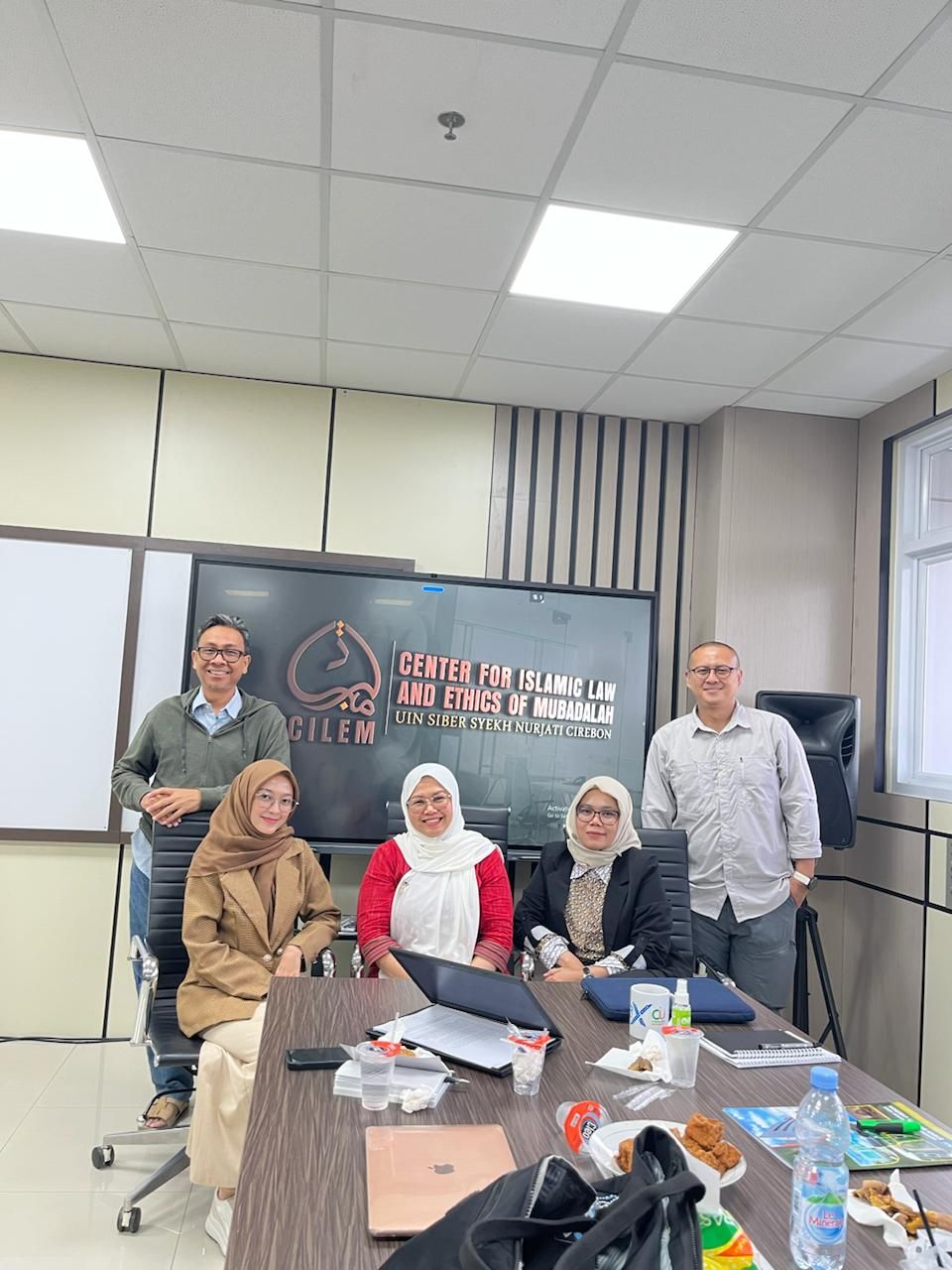
Our Vision
To be a leading center of excellence that promotes Islamic law as an ethical, inclusive, and responsive discipline for social transformation.
Our Mission
Why Mubadalah?
We believe Islamic law must be interpreted in the spirit of mubadalah—mutuality and reciprocity. This approach resists domination, foregrounds justice and care, and centers the lived realities of all human beings, especially the most marginalized. CILEM draws inspiration from centuries of Indonesian Islamic thought while opening conversations with contemporary global ethics.
Where We Work
CILEM operates under the academic umbrella of UIN Siber Syekh Nurjati Cirebon, a digital Islamic university pioneering transformative education. We collaborate with pesantren, universities, civil society, and international institutions to create knowledge that matters.
Gedung Siber, Cirebon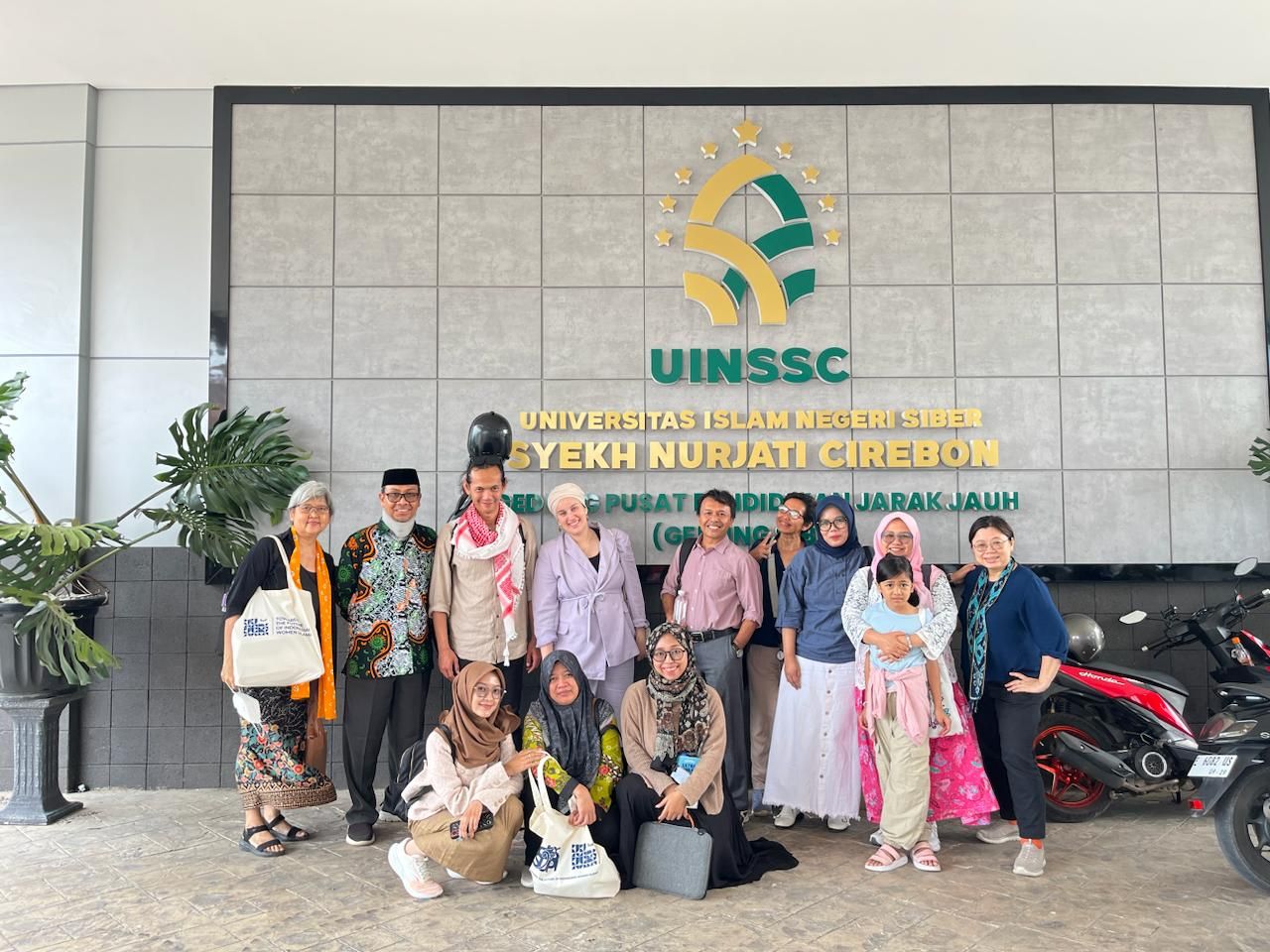
Our Commitment
Centering ethics in Islamic legal interpretation
Amplifying women’s voices and scholarship
Bridging classical knowledge with social justice
Connecting Indonesian Islamic thought with the world
Our Core Pillars
CILEM is built upon four interrelated pillars that define our worldview, methodology, and mission. These pillars guide how we read texts, engage with communities, and produce knowledge for a just and ethical future.
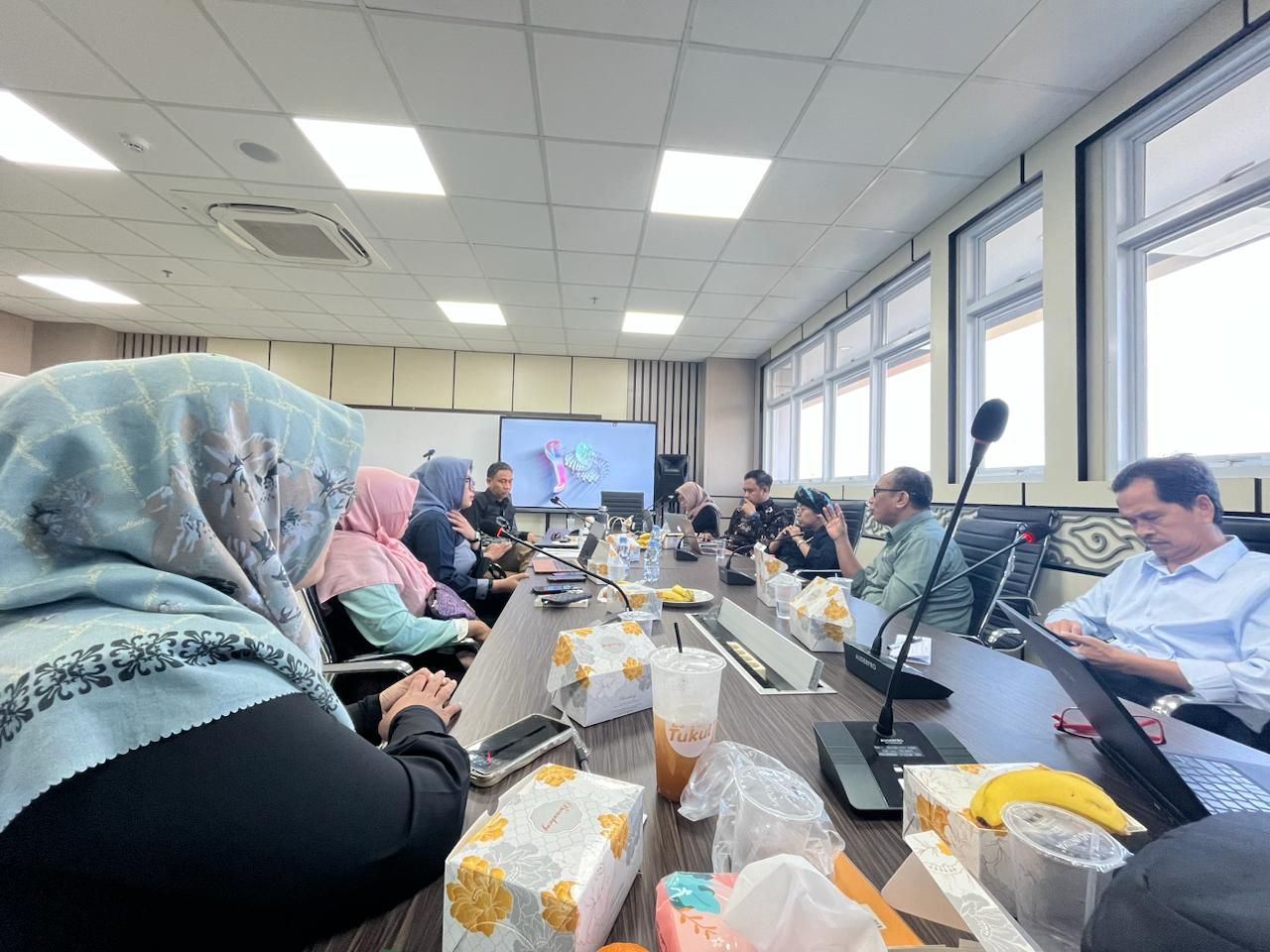
Mubadalah Ethics
At the heart of our work lies mubadalah—a paradigm of reciprocity and mutual dignity rooted in the Qur’an and Prophetic practice. We approach Islamic legal texts not through superiority or hierarchy, but through a lens of ethical partnership between genders, generations, communities, and species.
“We do not ask who is superior, but how we can be just to one another.”
This pillar challenges patriarchal, authoritarian, and hierarchical readings of the tradition and offers an alternative rooted in mercy (rahmah), equity (qist), and human dignity (karamah insaniyyah).
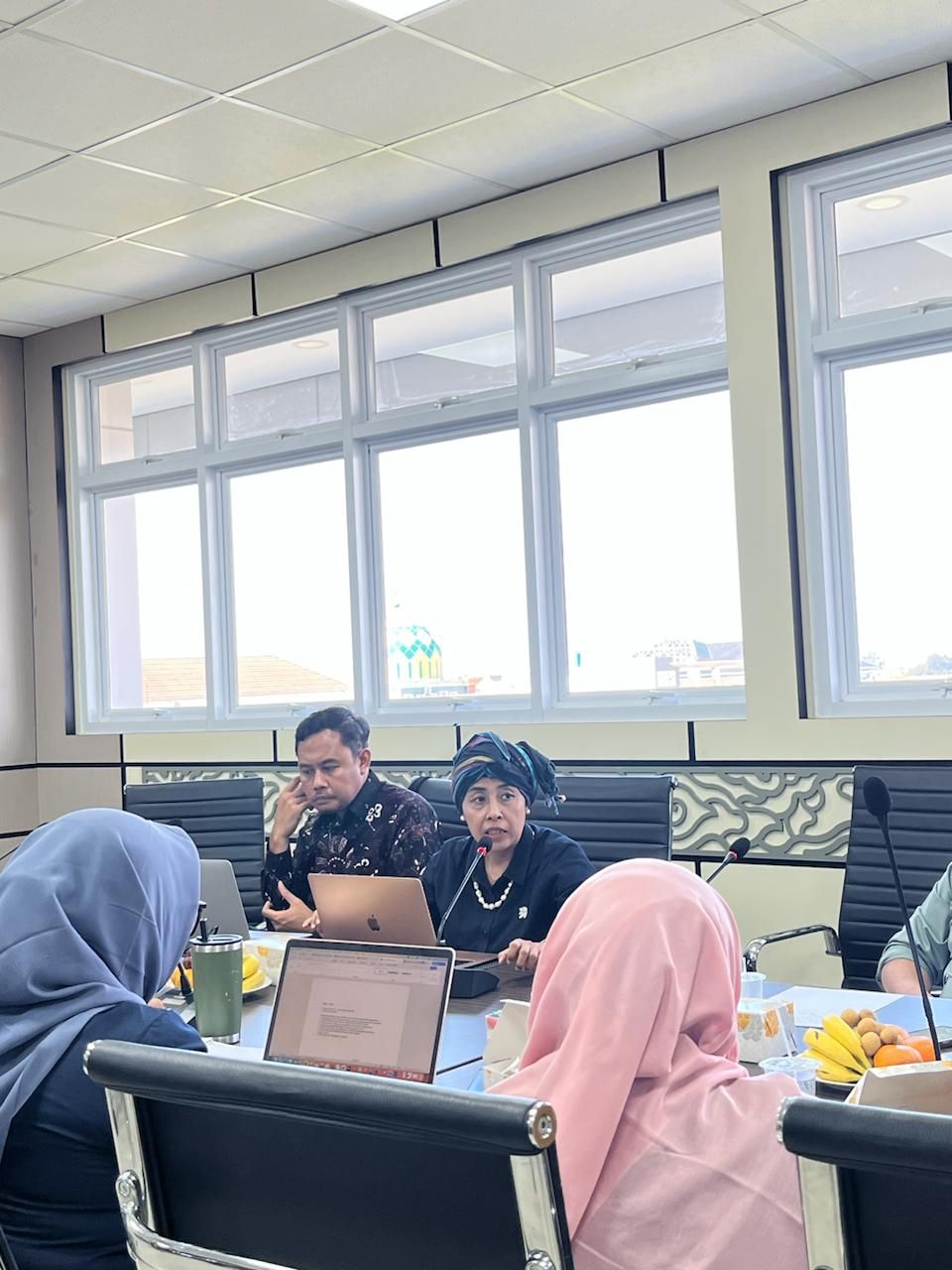
Inclusive Scholarship
CILEM centers the contributions of women scholars, minority voices, and critical thinkers within the Islamic legal tradition. We recover hidden histories, amplify emerging scholarship, and open space for voices historically excluded from the centers of religious authority.
Our pedagogy integrates:
- Classical Islamic sciences (ulum al-din)
- Feminist and decolonial methodologies
- Social sciences and lived experience
Scholarship is not neutral. It must be accountable to justice.
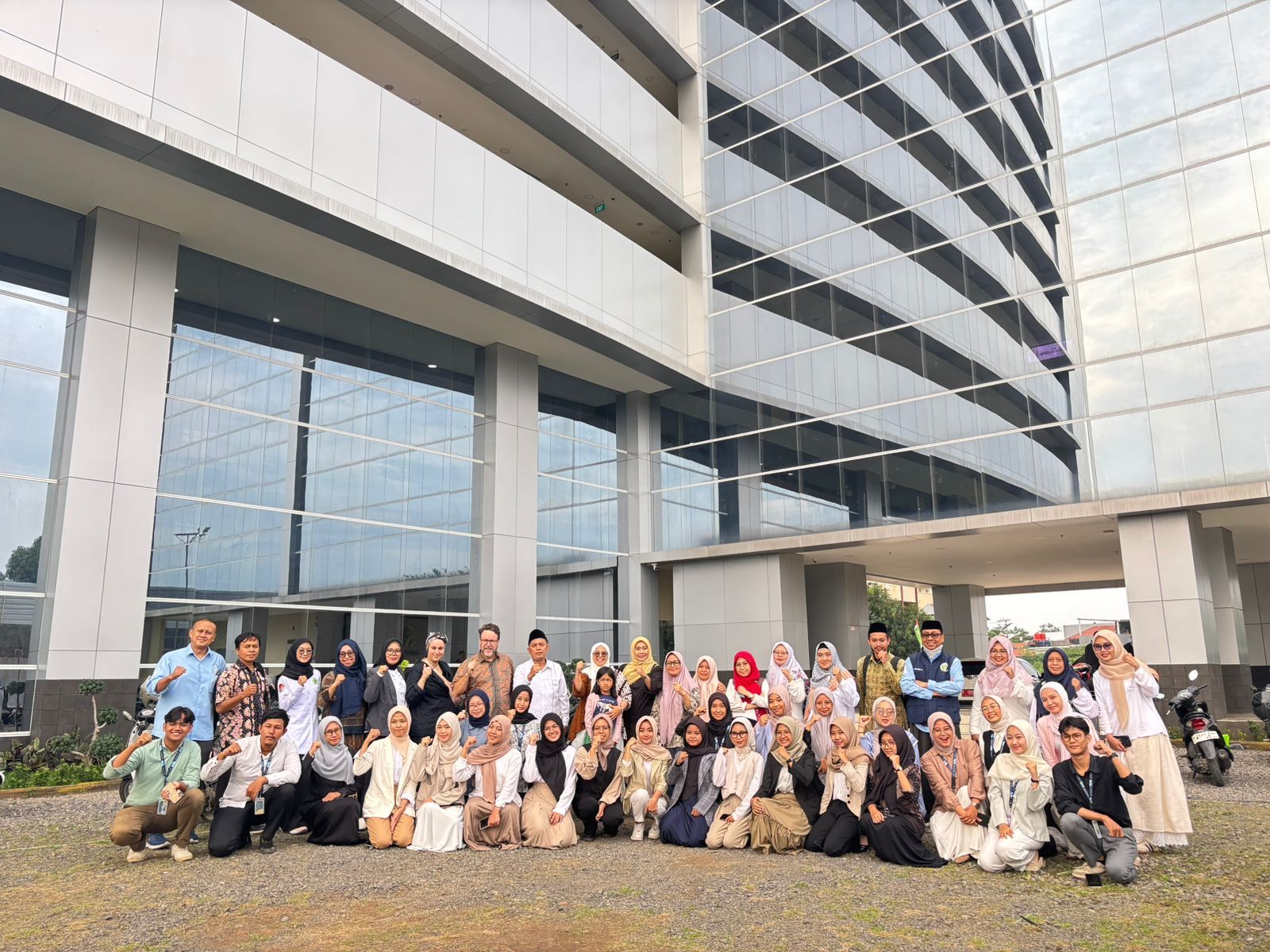
Community & Knowledge Networks
We believe knowledge becomes transformative only when it is rooted in community.
CILEM builds bridges between pesantren, universities, civil society groups, and international institutions, nurturing organic, reciprocal, and generative collaborations.
Through study circles, field-based learning, and grassroots partnerships, we cultivate knowledge that listens, responds, and heals.
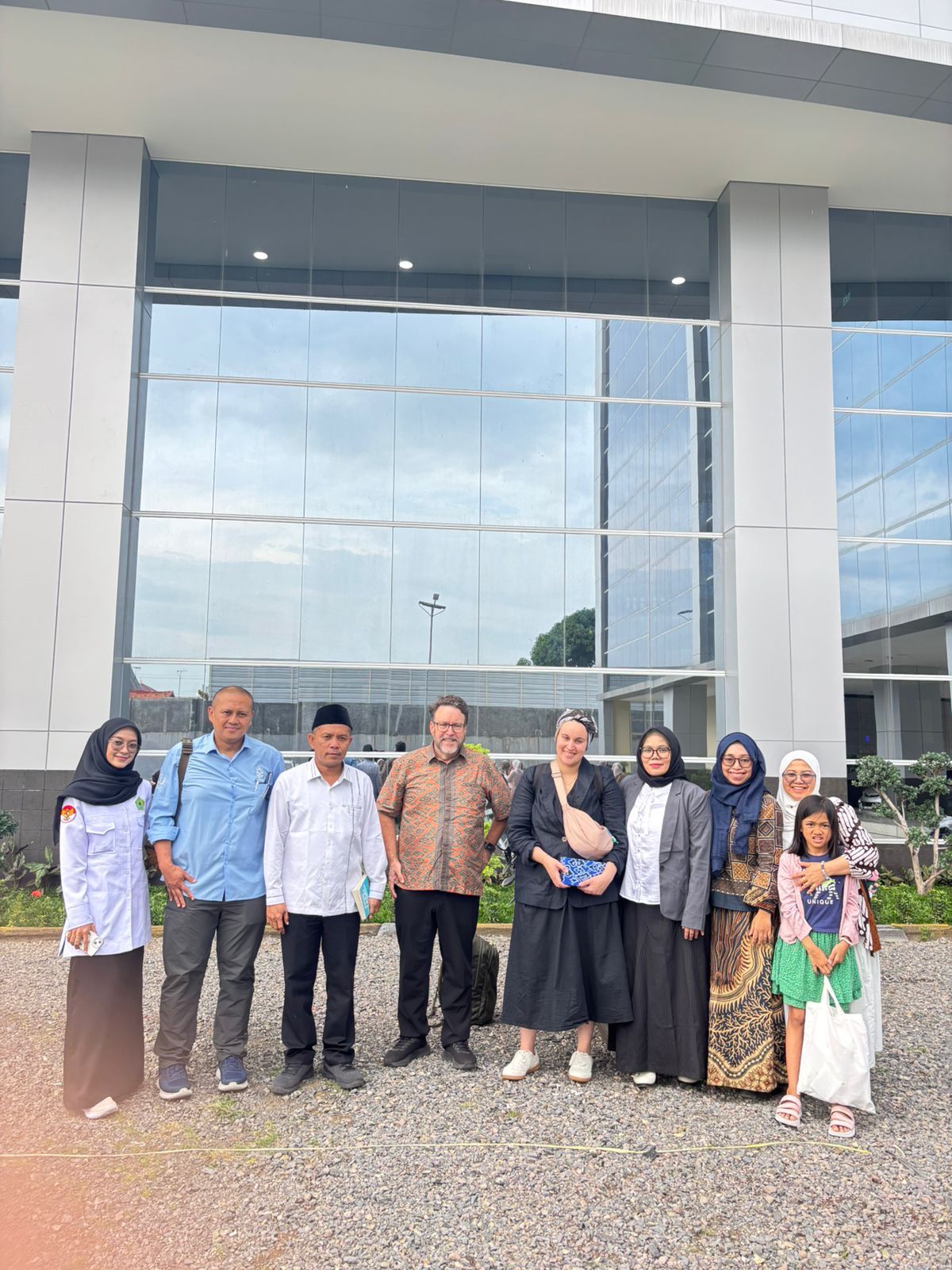
Global Dialogue & Ethical Pluralism
Islamic law is not frozen in history. It evolves through dialogue, reflection, and ethical engagement with the changing world.
CILEM positions Indonesian Islamic thought within a global conversation on ethics, climate justice, gender equality, digital rights, and decolonial futures.
We foster encounters across traditions and geographies, believing that truth is deepened—not diminished—through plural voices.
CILEM is where tradition meets transformation, and ethics meets the world.
We do not only interpret the law. We nurture a living tradition where justice breathes, ethics lead, and life is honored.”